
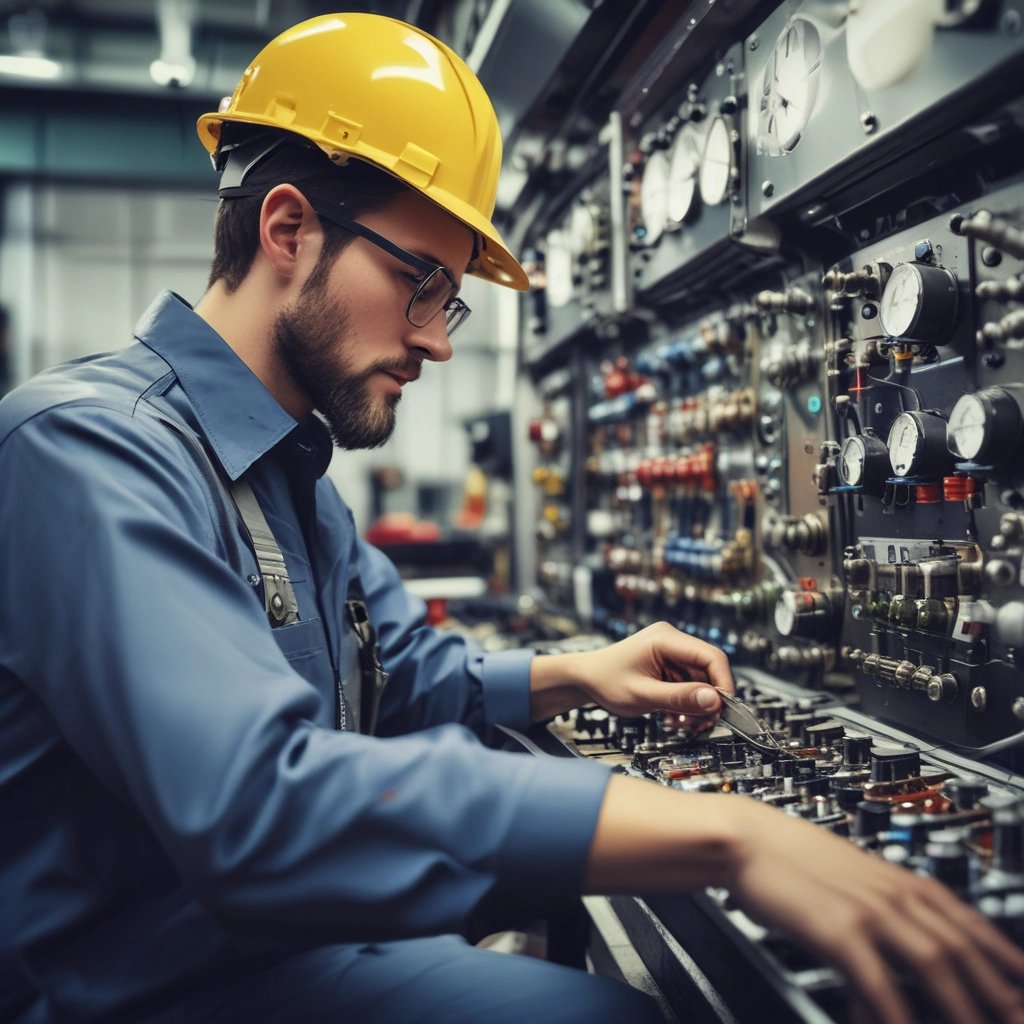
Instrumentation Engineering
This engineering discipline bridges the gap between mechanical hardware and electronic software. Instrumentation engineers are responsible for planning the "nervous system" of a facility. They select the appropriate sensors to detect physical changes (like a rise in temperature or a drop in pressure) and design the logic that tells the machinery how to react (e.g., automatically opening a valve or shutting down a pump). Their primary goals are safety (preventing explosions or leaks), efficiency (optimizing fuel or electricity use), and reliability (ensuring continuous operation) in industries like oil and gas, water treatment, and manufacturing.
Related Services


Power engineering focuses on the safe operation and maintenance of large-scale utility systems, such as boilers, turbines, generators, and refrigeration units, that provide energy, heat, and cooling to industrial facilities.
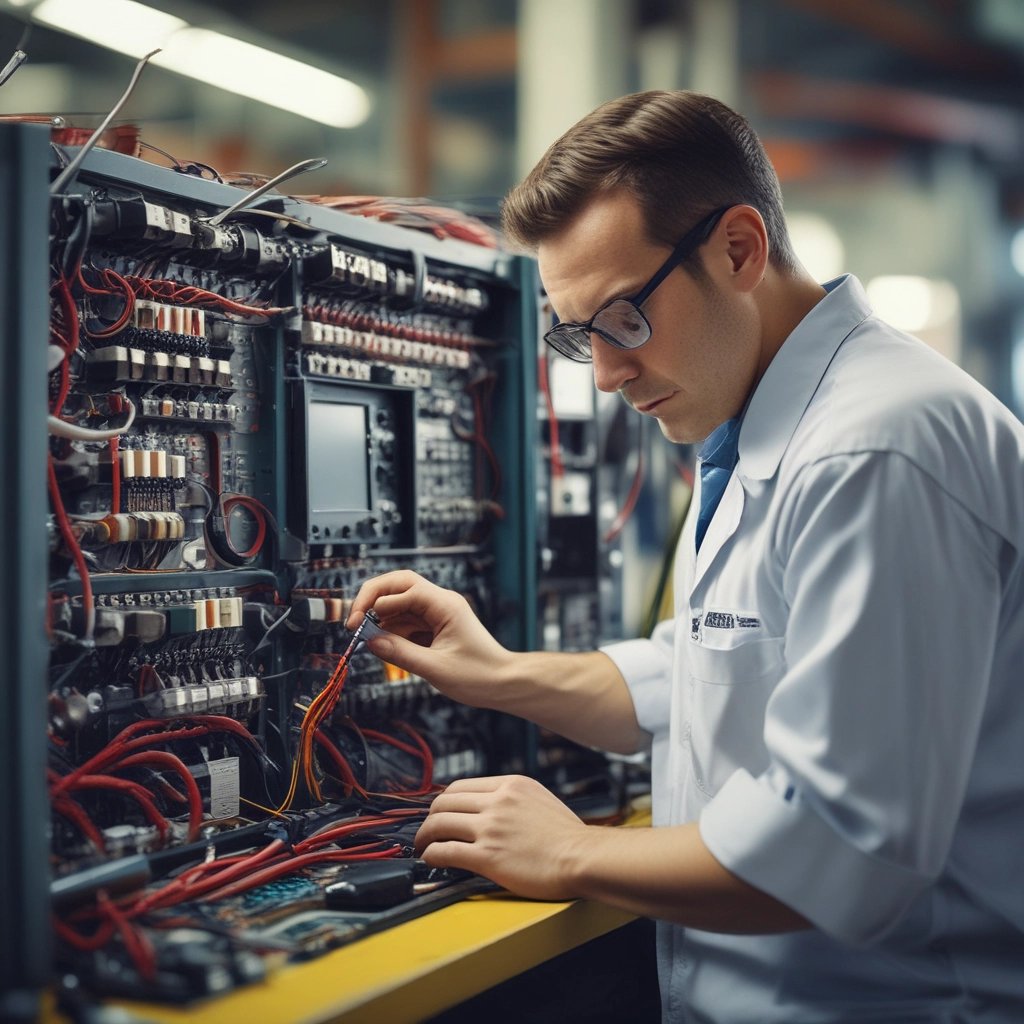
Instrumentation Engineering
Instrumentation engineering is the specialized branch of engineering focused on designing and managing the automated systems that measure, monitor, and control industrial processes.
An electronics technician diagnoses, calibrates, and repairs the sophisticated low-voltage digital systems, sensors, and computing components that control modern heavy machinery.