


Power Engineering
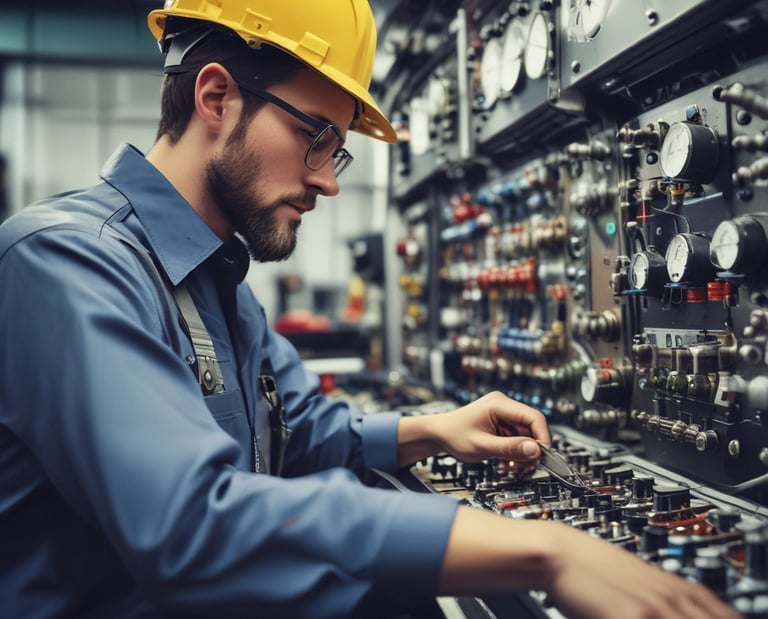
Unlike mobile equipment operators who drive machinery, power engineers manage the fixed heavy equipment that powers large buildings and industrial plants. Their primary responsibility is to oversee high-pressure boilers and steam systems, ensuring they operate efficiently and do not exceed safety limits. Daily tasks involve monitoring complex control panels, inspecting pumps and compressors, and performing chemical water treatment to prevent corrosion.
These professionals are essential for the continuous function of power plants, hospitals, refineries, and manufacturing facilities, where a loss of steam or power could halt production or endanger safety.
Related Services
Provide a general summary of the services you provide, highlighting key features and benefits for potential clients.
Power Engineering
Power engineering focuses on the safe operation and maintenance of large-scale utility systems, such as boilers, turbines, generators, and refrigeration units, that provide energy, heat, and cooling to industrial facilities.

Instrumentation Engineering
Instrumentation engineering is the specialized branch of engineering focused on designing and managing the automated systems that measure, monitor, and control industrial processes.
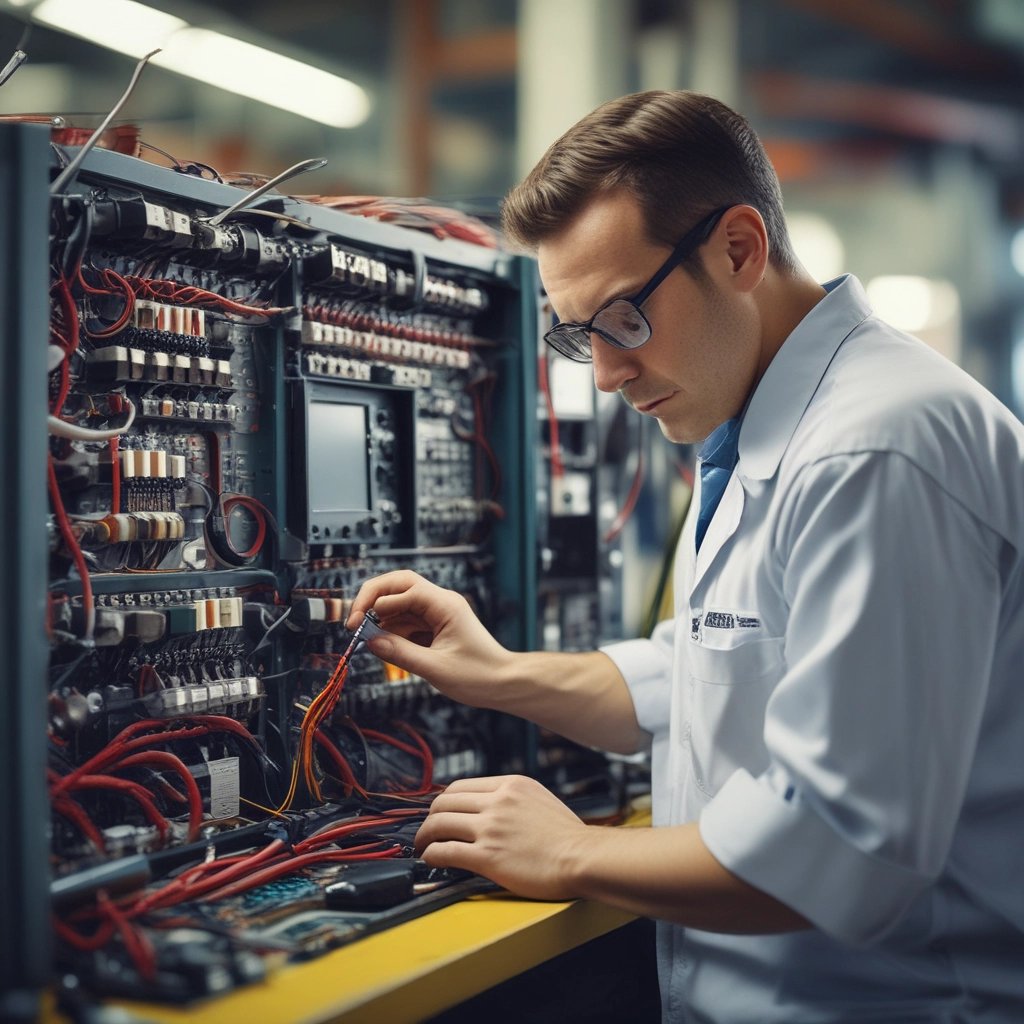
An electronics technician diagnoses, calibrates, and repairs the sophisticated low-voltage digital systems, sensors, and computing components that control modern heavy machinery.